What Happens When a Claim Is Made Against a Sports Coach?
06 October 2026
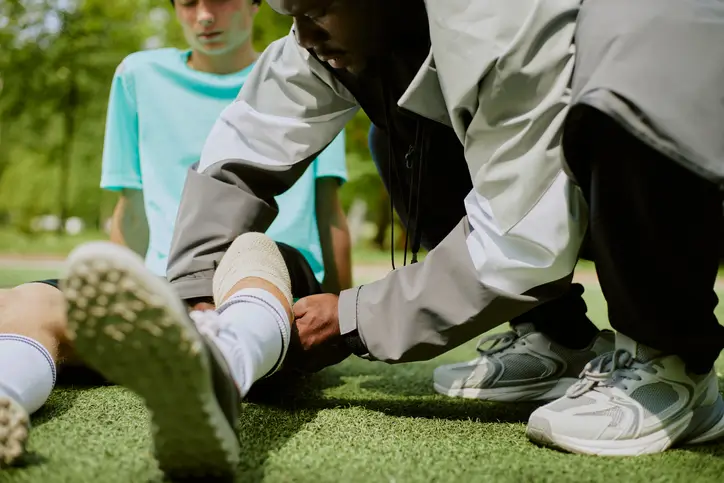
A client can make a compensation claim after an accident in your session, even if you believe you did nothing wrong. Knowing what to do first can help you respond calmly and give the claims team the information it needs.
This guide walks you through reporting an incident, what the insurer may ask for, and how a claim could be resolved.
The claims process, step by step
A Public Liability claim can vary by insurer and circumstance, but the process often follows these steps:
1. The incident happens
If someone is injured during a session, focus first on keeping everyone safe. Give first aid if you can, call emergency services if needed, and prevent anyone else from being hurt.
Once everyone is safe, try to gather any information you may need to rely on later. This could include:
- The date and time when the incident happened
- The names and contact details of anyone involved
- The names and contact details of anyone who witnessed what happened
- Photographs of the area, equipment, or anything else relevant to the incident
- Any other information that could help explain what happened
Then write a report of the incident while it's still fresh in your mind, including as many of the important details as you can. These details can help the claims team understand the incident and assess any claim.
2. Reporting the incident
Check your policy documents to find out who to contact. Depending on your cover, you might report an incident to the insurer, a broker or a claims team. Do it promptly if someone may make a claim, even if they have not contacted you yet.
At Insure4Sport, Davies Group handles claim reports. You can use the online portal or the current contact details on our How to claim page. The insurance booklet explains when you need to report an incident.
It helps to have the following information ready and at hand when getting in contact:
- Your policy number
- The date and time of the incident
- A description of what happened
- Details of anyone involved or who witnessed the incident
If theft or malicious damage is involved, report it to the police promptly and obtain a crime reference number. Check your policy for any specific deadline.
3. Your claim will be assessed initially
The insurer or claims team will check what happened and compare it with the cover you bought. They may ask whether the activity was included and what kind of claim has been made.
The claims team may ask for more details or documents. If you do not have everything straight away, tell them what you know and ask what else they need.
4. Your claim will be investigated
The insurer or claims team may review your records, speak to witnesses, and gather more information. Who does each part of the work depends on your policy.
Your risk assessment, client induction notes, equipment checks, and any witness accounts can help explain what happened and what precautions you took. A witness account does not automatically prove who was at fault.
Many policies expect you to take reasonable steps to prevent accidents and keep equipment in good condition. Keep a record of your checks and read the HSE guidance on risk assessment.
Before saying the accident was your fault or offering to pay anything, speak to the insurer or claims team. Your policy may require their written agreement before you take those steps.
At Insure4Sport, Davies Group is the team you contact about a claim. The insurance booklet explains who can manage a claim or agree a settlement. The claims team will tell you who is handling your case.
5. The claim is paid, challenged or turned down
After looking at the evidence, the insurer or claims team will decide what to do next. The possibilities include:
- Paying or settling: The insurer or claims team may agree an amount with the person claiming to resolve the claim. Whether the insurer pays, and how much, depends on your cover.
- Defending: The insurer may challenge a claim and arrange legal help. Check whether your policy covers those legal costs and whether the insurer must approve them.
- Disagreeing or declining cover: The people involved may disagree about what happened or the amount requested. Separately, the insurer may decide the claim is not covered by the policy. The claims team should explain the decision.
6. What happens when the claim is resolved?
Keep the outcome and relevant records, review what happened, and update your procedures or risk assessment if needed.
Real claims, real lessons
These case studies are based on real claims made to Insure4Sport. They show how an incident during coaching or personal training can lead to a compensation claim.
An overlooked piece of equipment
During a fitness class, as participants were getting ready to move to the next activity, a piece of equipment was left standing against a wall rather than being put away. Later in the session, it was knocked over and fell onto a participant's foot. The injury took over three months to heal.
The participant made a compensation claim to cover their medical costs and loss of earnings, which ran into tens of thousands of pounds.
A collision during a children's session
During a children's group sports session, two participants collided. While collisions are common in sport and play, in this case one child was injured badly enough to need hospital treatment. A five-figure compensation claim was brought against the coach in charge of the session.
This type of incident doesn't necessarily involve a clear mistake or an obvious failure on the coach's part.
In a busy group session, two participants can simply end up in the wrong place at the wrong time. It shows that a claim can be made against you even if you're not at fault.
An injury during combat-sports coaching
Combat sports naturally involve physical contact, which means coaches must think carefully about how sessions are planned and managed.
In one combat-sports coaching session, a participant was injured during sparring and required hospital treatment, keeping them off work for six weeks. What may have appeared to be a routine coaching session resulted in the participant making a liability claim for tens of thousands of pounds.
Even when an activity is familiar to an experienced coach, there can still be unexpected consequences.
How can you prepare for a compensation claim?
You can't predict every incident, but there are straightforward steps you can take to make sure you are prepared when something does happen, including:
- Completing risk assessments: Assess the activities and venues you use, then review the assessment when circumstances change. See our gym risk assessment guide, football coaching risk assessment guide and the HSE steps for managing risk.
- Introducing clients to the session and keeping a record: Explain the exercises, correct technique and safety rules. Record what you covered with each client.
- Checking equipment and keeping a record: Look for damage and keep equipment in good condition. Your policy may require particular checks; a dated record can help show what you did.
- Checking your cover matches your work: Make sure the sports, venues and groups you teach are included. Tell your insurer or broker if your work changes and ask them to confirm any change to your cover.
Sports Claim FAQs
What happens if a client sues a personal trainer?
If a client makes a compensation claim against you, try not to worry. A claim doesn't automatically mean you've done anything wrong or that you'll have to pay compensation yourself.
Tell the insurer or claims team promptly using the contact details in your policy documents. They will look at the evidence and your policy, explain what information they need and guide you through what happens next.
Do I need to report every incident, even minor ones?
If someone might make a claim after an incident, report it within the time stated in your policy, even if they have not formally asked for compensation.
Reporting late can make it harder to investigate and may affect your cover. Check the reporting rules in your policy documents.
If you're unsure whether something is likely to result in a claim, it's sensible to speak to the claims team rather than leave it until later.
Will my premium go up if I make a claim?
A claim will not necessarily increase your premium. Renewal pricing depends on the insurer’s assessment and other factors.
What if I don't think I was at fault?
You do not have to accept blame simply because someone makes a claim. Speak to the insurer or claims team before you say you were at fault, offer money or pay anything.
The insurer or claims team will look at the evidence and explain whether they intend to pay, challenge or decline the claim under your policy.
How long does a claim take to resolve?
There isn't a standard timeframe for an insurance claim to be resolved. Every claim is different, and the time needed to resolve it will depend on a range of factors. This includes what happened, the evidence available, who was involved, and how straightforward the claim is to assess.
Your insurer or appointed claims team can update you on progress and likely next steps.
Do I need my own solicitor?
Usually, you shouldn't need to arrange your own solicitor before speaking to the claims team.
Some policies pay for a solicitor to help defend a claim, but the insurer may need to agree the costs first. If you think you need legal advice, speak to the claims team before appointing your own solicitor, as the costs may not be covered unless they've been agreed in advance.
What records should I keep in case a claim is made?
Depending on the type of coaching or training you provide, useful records can include:
- Risk assessments
- Client induction records
- Equipment checks and maintenance logs
- Your qualifications and training records
- If an incident does occur that could lead to a claim being made against you, try to gather:
- The date and time of the incident
- Names and contact details of anyone involved
- Names and contact details of witnesses
- Relevant photographs
These records can help explain what happened and show the steps you took to keep your sessions safe. They can also help the claims team assess the case.
What if I'm unhappy with how my claim was handled?
If you are unhappy with how a claim was handled, follow the complaints process in your policy or contact your insurer or broker for the correct route. Keep your claim reference and explain the outcome you are seeking.
At Insure4Sport, see our complaints information for the current route and contact details.
For most financial complaints, a business has up to eight weeks to respond. If you are unhappy with its final response, you may be able to refer your complaint to the Financial Ombudsman Service, usually within six months of the final response.
Sports insurance by Insure4Sport
At Insure4Sport, check that your policy includes the sports and activities you teach. Your policy schedule summarises the cover you chose, while the insurance booklet explains the limits, exclusions and steps to take if a claim is made.
Find out more about sports coach insurance and how to report a claim. To understand your cover in more detail, read our companion guides: Public Liability Insurance: How Much Cover Do I Need?, Personal Accident Insurance: How Much Cover Do I Need? and Sports Coaching Risk Assessment: A Step-by-Step Guide.
Please note the information provided on this page should not be taken as advice and has been written as a matter of opinion. For more on insurance cover and policy wording, see our homepage.
Insure4Sport is a
 Insurance Services product


©Copyright Ripe Thinking Limited 2026.
Insure4Sport® is a registered trademark and a trading name of Ripe Insurance Services Limited which is Authorised and Regulated by the Financial Conduct Authority No.313411. Registered office: One Stockport Exchange, Railway Road, Stockport, United Kingdom, SK1 3SW. Registered in England No. 04507332.