
The posture of yoga: How yoga poses can improve your posture
24 February 2026
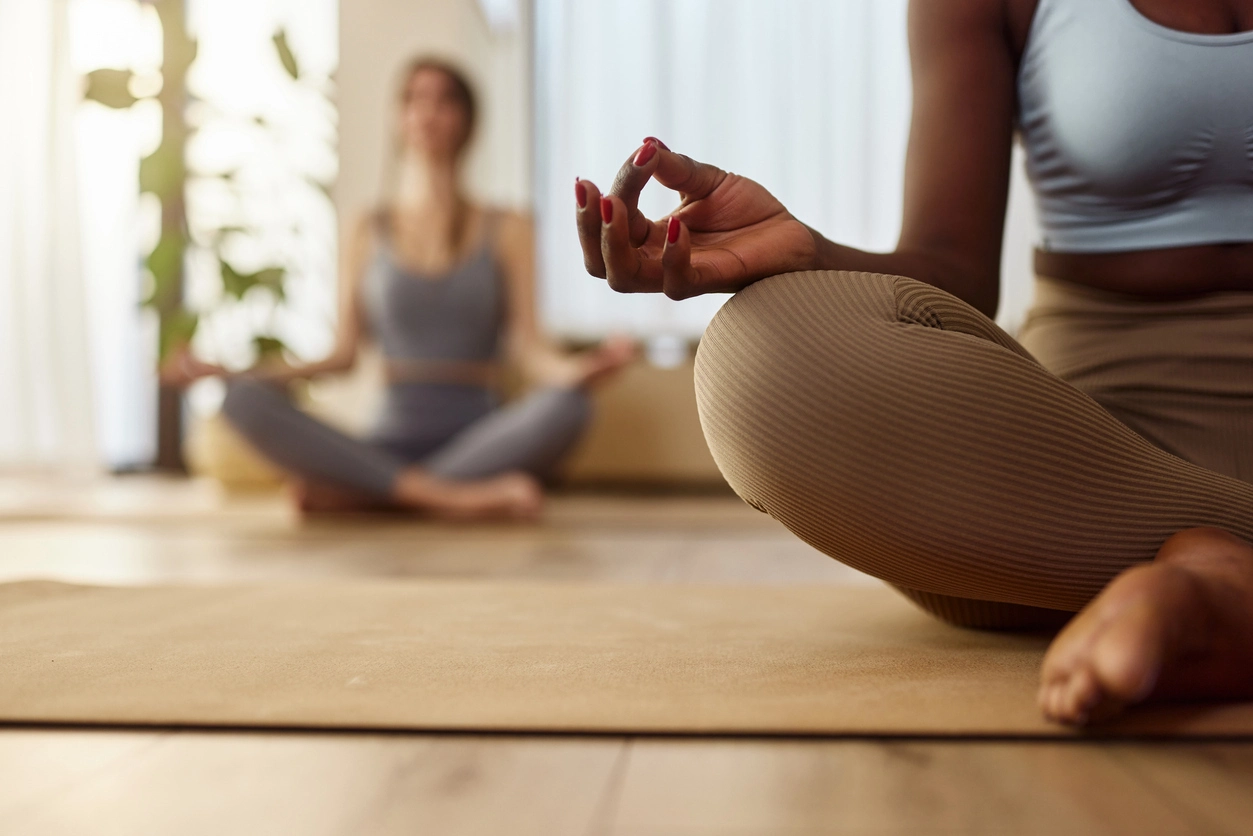
With many people spending their days working at desks, slouched over smartphones, and sitting for long hours, poor posture has become a common and problematic issue in recent years. Slumped shoulders and a rounded back can result in discomfort, fatigue and long-term strain. Good posture has become more important than ever.
If you’re looking to improve your posture, yoga offers an effective way to realign the body. By combining mindful movement, targeted strengthening, and focused stretching, yoga poses help retrain the muscles that support the spine, creating balance, stability, and awareness.
In this guide, we look at why good posture is important, how yoga can improve posture, and five simple yoga poses to get you started. We’ve also got some top tips for getting the most out of your yoga practice.
Why is good posture important?
Good posture is important for a whole range of reasons, and getting it right can improve your health and wellbeing. When your spine is correctly aligned, your lungs have room to fully expand, improving respiration and increasing oxygen flow throughout your body. Sitting or standing upright also reduces compression on the abdominal organs, ensuring smoother digestion and helping with issues like bloating and reflux.
Good posture has also been found to positively impact mood. Research suggests that an upright position can boost confidence, lower stress, and reduce feelings of fatigue. By being mindful about how you sit, stand and move each day, you can improve your breathing, assist your digestion and enjoy a brighter mood.
How yoga improves posture
Yoga improves posture by improving the body’s structural support in a variety of ways. By focusing on controlled poses and steady breathing, yoga strengthens the deep core muscles – including the transverse abdominis, obliques and lower back – that stabilise the spine. A stronger core will reduce strain on your shoulders and neck, helping you to hold an upright position with less effort.
Yoga also improves flexibility in tight areas, such as the hip flexors, hamstrings and chest. When these muscles lengthen, they no longer pull the body out of alignment, meaning your shoulders will relax back, and your pelvis will sit neutrally. Many yoga sequences also help to improve spine alignment by encouraging awareness of posture during both movement and rest.
By combining strength, flexibility and mindful alignment, yoga trains the body to support itself efficiently, resulting in improved posture, reduced discomfort and greater overall posture awareness during everyday activities.
5 key yoga poses for better posture
While many yoga poses can help to improve posture, here are five options that are perfect for beginners:
1. Mountain Pose (Tadasana)
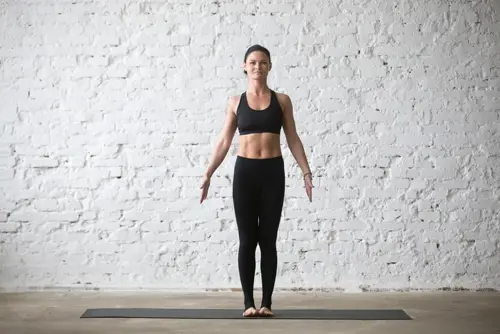
Stand with feet hip-width apart and spread your toes to ground yourself evenly through both feet. Gently engage your thighs, lengthen your tailbone toward the floor, lift your chest, and relax your shoulders down and back. Reach the crown of your head upward while keeping your chin parallel to the floor.
This yoga pose helps to improve posture as it teaches proper standing alignment and builds awareness of spinal positioning, creating a foundation for upright posture.
2. Cobra Pose (Bhujangasana)
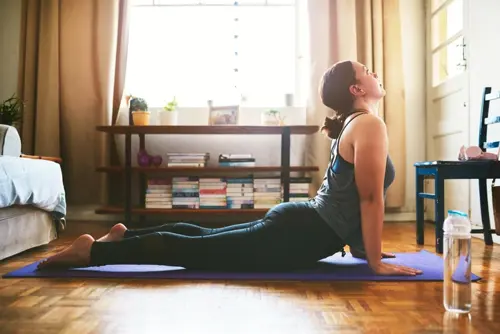
Lie on your stomach with your palms under your shoulders. Press lightly into your hands and lift your chest while keeping your elbows slightly bent and your shoulders away from your ears. Ensure you keep your hips grounded.
Yoga’s Cobra Pose helps with posture by strengthening the lower back and opening the chest, which counteracts rounded shoulders.
3. Plank Pose (Phalakasana)
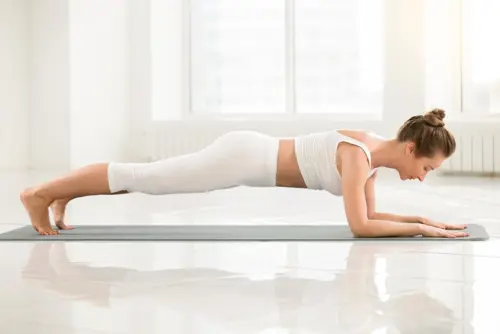
From your hands and knees, step your feet back until your body forms a straight line. Engage your core and press through your heels.
This simple yoga pose builds core strength to support spinal stability, thereby improving posture.
4. Bridge Pose (Setu Bandha Sarvangasana)
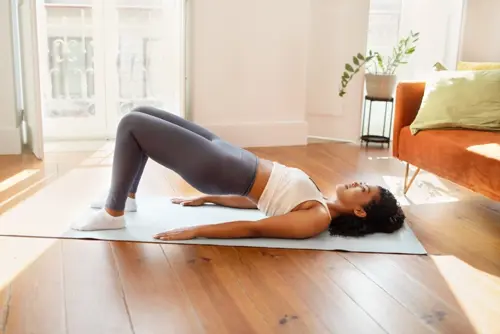
For Bridge Pose, lie on your back with your knees bent and your feet flat to the floor. Press into your feet and lift your hips. You can clasp your hands beneath you if it feels comfortable.
This yoga pose is great for improving posture as it strengthens the glutes and lower back while opening the chest.
5. Child’s Pose (Balasana)
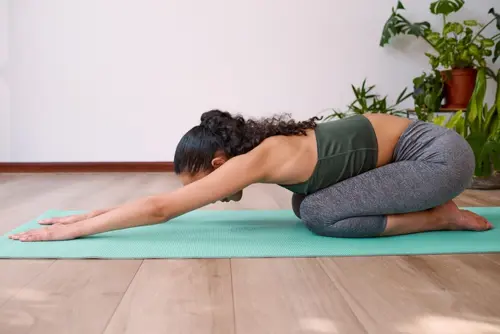
Kneel, sit back on your heels, fold forward extending your arms in front of you, and rest your forehead down onto the ground.
This popular yoga pose gently stretches the spine and releases tension in the neck and shoulders, resulting in improved alignment.
6 tips for starting yoga to improve your posture
If you’re just getting started with yoga, the following tips should help:
1. Start with alignment first – Before worrying about advanced poses, practice foundational postures, like Mountain, Plank, and Bridge, to improve your alignment. Good form ensures you’re strengthening the muscles that support your spine.
2. Focus on core engagement – Great posture is reliant on deep core stability. In each yoga pose, focus on gently drawing your belly button towards your spine without holding your breath. This builds the muscles that keep you upright throughout the day.
3. Stretch tight areas – Rounded shoulders and lower back strain often come from a tight chest, hip flexors, and hamstrings. Try to do chest openers and hip stretches regularly to balance muscle tension.
4. Move slowly and mindfully – Slow transitions increase body awareness, so it’s important to pay attention to how your spine feels in each movement. This awareness will then carry through into your daily posture habits.
5. Be consistent – Committing to short yoga sessions of around 10 to 15 minutes three to four times per week will be more effective than occasional long classes.
6. Consider guidance – If possible, take a yoga class for beginners where you’ll be given personalised feedback, or watch videos by qualified yoga instructors to ensure safe technique.
Essentials you may need for yoga practice
When you first start your yoga journey, you’ll likely need:
• Yoga mat – A clean yoga mat provides cushioning and grip, preventing slips while supporting your joints during standing, kneeling and floor poses.
• Comfortable clothing – Comfortable clothing with a bit of stretch helps you move freely without feeling restricted. Go for breathable fabrics that will keep you comfortable during longer yoga sessions.
• Yoga blocks – Yoga blocks provide support and bring the floor closer to you in poses that require flexibility, helping you to maintain proper alignment and reduce strain.
• Yoga strap – A yoga strap is useful for stretching tight muscles, especially hamstrings and shoulders, while maintaining good posture and staying safe.
• Water bottle – Staying hydrated supports muscle function and prevents fatigue during your yoga session.
• Quiet, clear space – A clutter-free area helps you focus, move safely, and stay present throughout your practice.
• Beginner-friendly guidance – A class, app or qualified yoga instructor can ensure correct technique, helping you build strength and improve posture safely.
Specialist yoga insurance through Insure4Sport
Whether you’re an experienced instructor or new to yoga, you may want to consider financially protecting yourself with specialist yoga insurance.
Unfortunately, as with most sports, yoga carries the risk of suffering an injury, which could not only stop you from exercising but also affect your ability to work for a period. You can get an instant online quote today.
Please note the information provided on this page should not be taken as advice and has been written as a matter of opinion. For more on insurance cover and policy wording, see our homepage.
Insure4Sport is a
 Insurance Services product


©Copyright Ripe Thinking Limited 2026.
Insure4Sport® is a registered trademark and a trading name of Ripe Insurance Services Limited which is Authorised and Regulated by the Financial Conduct Authority No.313411. Registered office: One Stockport Exchange, Railway Road, Stockport, United Kingdom, SK1 3SW. Registered in England No. 04507332.