
Hang gliding vs paragliding: Choosing which is right for you
26 May 2026
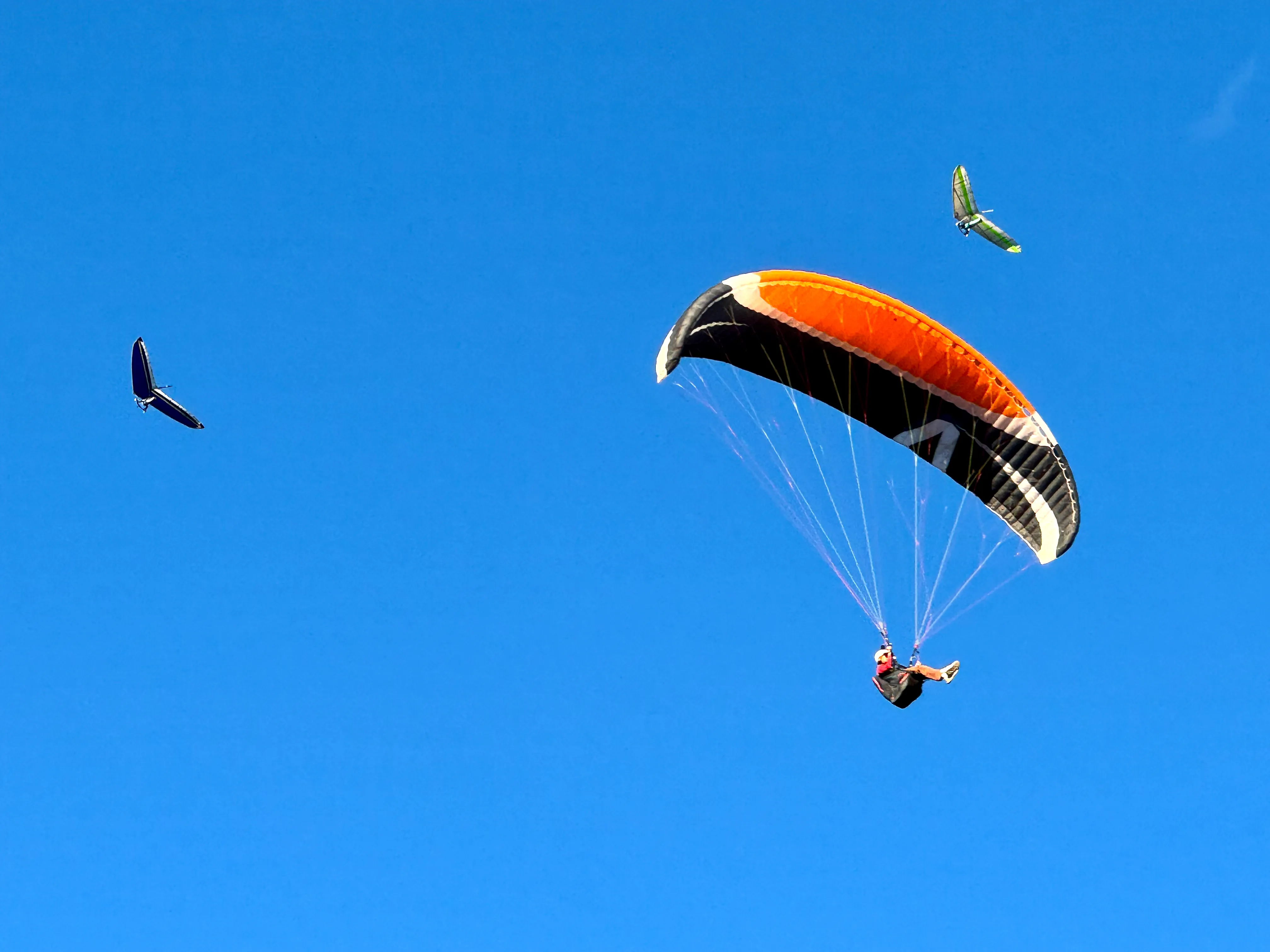
If you want to give an extreme sport a try and you’re drawn to the options that let you take to the skies, hang gliding and paragliding have likely crossed your mind. However, choosing between the two can be difficult, so we’ve compiled a list of key differences between these sports and answered some common questions.
What is the difference between hang gliding and paragliding?
While there are some similarities between the two sports, several differences may help you decide which you would prefer to learn. These include:
1. Equipment
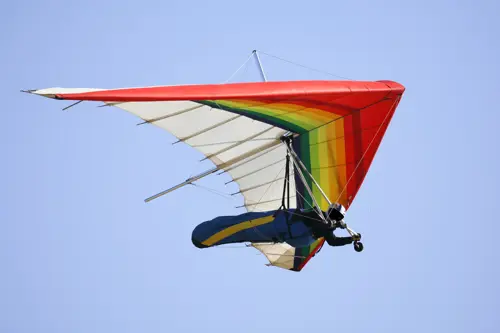
Hang gliding and paragliding are both sports that involve flying, but the equipment used to do so is completely different. A hang glider has a rigid frame in the shape of an A with a sailcloth stretched over the top to create the wings.
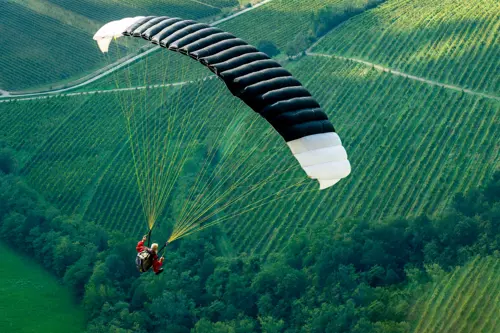
A paraglider has no rigid structure, using a dual-layer canopy to lift you into the air. Differences in their composition affect their weight and, consequently, their portability. This makes the paraglider lighter and easier to transport, as it packs into a bag rather than requiring disassembly and reassembly and transport via a roof rack.
2. Weight limits
For both sports, it’s best not to be too light or too heavy, as this can affect your control and speed and become dangerous. The weight calculation for each sport differs, with paragliding weight (often called all-up weight) determined by adding the pilot's weight, any passengers, equipment, and the weight of the paraglider you’re using.
For hang gliding, you do not need to include the weight of the glider itself, just the weight of yourself, passengers, and any other gear you’re wearing (called hook-in weight).
When you come to buy your paraglider or hang glider, they’ll have a minimum and maximum weight limit, which you’ll need to check to make sure it’s the right fit for you.
3. Pilot position
One of the biggest differences between hang gliding and paragliding is the position the pilot takes while in flight. For a paraglider, you’ll be sitting back in your harness, much like sitting in a hammock. If you choose to try hang gliding, you’ll be upright for take-off, but you then transition to lying face-down once you’re in the air.
4. Speed, height, and acrobatics
If you’re looking for maximum thrill, both sports offer the ability to reach similar altitudes and practice acrobatic tricks. Where these sports differ is in speed. Hang gliders can travel much faster than paragliders due to their rigid airfoils and better aerodynamics.
The maximum speed a paraglider can reach is around 70km/h, while a hang glider can go as fast as 140km/h at the top end of the scale.
5. Training
When it comes to training to fly solo, learning to paraglide can often feel easier at the start than hang gliding, as the equipment is lighter and easier to control for beginners. This is why your first solo flights often come sooner for someone learning to paraglide than for someone learning to hang glide.
However, even though hang gliding can take a bit longer to pick up at the start, learning to fully master both sports tends to take about the same amount of time overall.
6. Safety
When it comes to which sport is safer, both hang gliding and paragliding have similar risks, which is why proper training from experts in the sport is highly important. Learning how to navigate problems in the air as well as during take-off and landing, and knowing when the weather conditions are right for paragliding and hang gliding can help reduce the risk of accidents.
For paragliders, knowing how to manage turbulence where your wing could fold or collapse is a must, whereas hang gliders can often remain more stable in turbulence due to their rigid wing. On the other hand, as hang gliders often travel at higher speeds, knowing how to maintain full control during flight and landing can help reduce the risk of an accident.
7. Cost
The cost of these two sports can differ greatly. You’ll likely find that training courses, buying the kit, transporting and storing it, and maintaining it are all far cheaper for paragliders than hang gliders. The difference in cost can often add up to thousands of pounds, so this is definitely something you should consider before picking which sport you want to practice.
Overall, the training, costs and equipment for paragliders can be more beginner-friendly if you’re just starting out in extreme sports. However, that shouldn’t put you off trying hang gliding either, as you may find it provides even more of a thrill at faster speeds. Ultimately, the choice is down to you for which sport you wish to master.
Paragliding vs hang gliding: FAQs
What certifications should I look for when learning to paraglide vs hang glide?
In the UK, a good rule of thumb is to look out for schools and instructors that hold a qualification from the British Hang Gliding and Paragliding Association (BHPA). When you train for paragliding or hang gliding through a BHPA school, you can progress through their training programme and earn a Pilot Rating, which requires you to master certain skills. You also have the peace of mind that the instructors providing the training have been through the training and are qualified to teach you the sport at each level.
Will I feel motion sickness?
Most people won’t feel motion sickness while hang gliding or paragliding. However, out of the two sports, you may be more likely to experience motion sickness when paragliding vs hang gliding due to the pendulum movement that the paraglider creates as you move through the air.
Which sport is more popular?
According to the BHPA, paraglider pilots outnumber hang glider pilots by around 8 to 1 in the UK. Likely due to the lower barrier to entry in terms of costs and training for paragliding vs hang gliding.
Specialist extreme sports insurance through Insure4Sport
Whichever sport you choose, you may want to consider specialist extreme sports insurance to help financially protect you and your equipment.
Find out more about specialist extreme sports insurance through Insure4Sport or get an online quote today.
Please note the information provided on this page should not be taken as advice and has been written as a matter of opinion. For more on insurance cover and policy wording, see our homepage.
Insure4Sport is a
 Insurance Services product


©Copyright Ripe Thinking Limited 2026.
Insure4Sport® is a registered trademark and a trading name of Ripe Insurance Services Limited which is Authorised and Regulated by the Financial Conduct Authority No.313411. Registered office: One Stockport Exchange, Railway Road, Stockport, United Kingdom, SK1 3SW. Registered in England No. 04507332.